

Which Cities are Famous for Cotton Sarees in India?


Introduction to Cotton Sarees in India
Cotton sarees hold a prominent place in the rich tapestry of Indian culture, serving as a reflection of the country’s diverse heritage and craftsmanship. Known for their breathability and comfort, cotton sarees are not only a staple in traditional attire but have also found their way into contemporary fashion, catering to a wide range of preferences and occasions. The fabric itself, derived from the cotton plant, symbolizes both sustainability and practicality, making it an ideal choice for the climate and lifestyle of India.
The versatility of cotton sarees further enhances their appeal, as they can be adorned in myriad ways to suit different tastes and settings. From the delicate weaves of Bengal to the vibrant colors of Gujarat, each region contributes its unique flair to the cotton saree, showcasing intricate designs and artistic craftsmanship. This adaptability allows cotton sarees to transcend generations, with young women embracing these timeless pieces alongside older generations, thus preserving tradition while making personal style statements.
In the realm of Indian fashion, cotton sarees are particularly favored for their ease of draping and the comfort they offer throughout the day. The fabric’s lightweight nature ensures that these sarees are not only stylish but also practical for everyday wear. This attribute makes them suitable for various demographics, including working women and students, who seek both elegance and functionality in their clothing. Consequently, cotton sarees have evolved into a symbol of empowerment and identity for many, further solidifying their importance in Indian society.
As we delve deeper into the cities renowned for their cotton sarees, it becomes evident that these garments are more than mere clothing; they are an integral part of India’s cultural narrative, embodying history, artistry, and the enduring spirit of the Indian people.
Hyderabad: The City of Pearls and Cotton Sarees
Hyderabad, often referred to as the City of Pearls, boasts a rich historical connection to the production of exquisite cotton sarees. Among the most celebrated varieties are the Pochampally sarees, known for their intricate designs and vibrant colors. The origin of these sarees can be traced back to the small town of Pochampally, which lies approximately 50 kilometers from Hyderabad. The craftsmanship displayed in these textiles exemplifies the deep-rooted weaving traditions that have been preserved through generations in the region.
The Pochampally sarees are characterized by their unique Ikat dyeing technique, creating mesmerizing patterns that are both symbolic and artistic. This traditional craft is not merely a means of livelihood; it also reflects the cultural heritage of the local artisans, many of whom have been weaving for decades. The precision and dedication exhibited in the creation of each saree make them highly sought after, not just within India but also on international platforms.
For those interested in purchasing authentic cotton sarees, Hyderabad offers a variety of local markets and stores that showcase this exquisite craftsmanship. The Shahran Market and Moazzam Jahi Market are popular destinations where one can find an array of Pochampally sarees, among other traditional textiles. Visitors are encouraged to explore these markets to appreciate the beautiful range of designs and textures available. Additionally, many local artisans have opened boutique shops where customers can buy directly from the makers, further enhancing the connection to the vibrant textile culture of Hyderabad.
As one navigates through the intricacies of Hyderabad’s cotton saree legacy, it becomes clear that these textiles are not only fashion statements but also representations of the city’s rich cultural tapestry and commitment to preserving handwoven traditions.
Kanchipuram: The Weaving Hub of Traditional Cotton Sarees
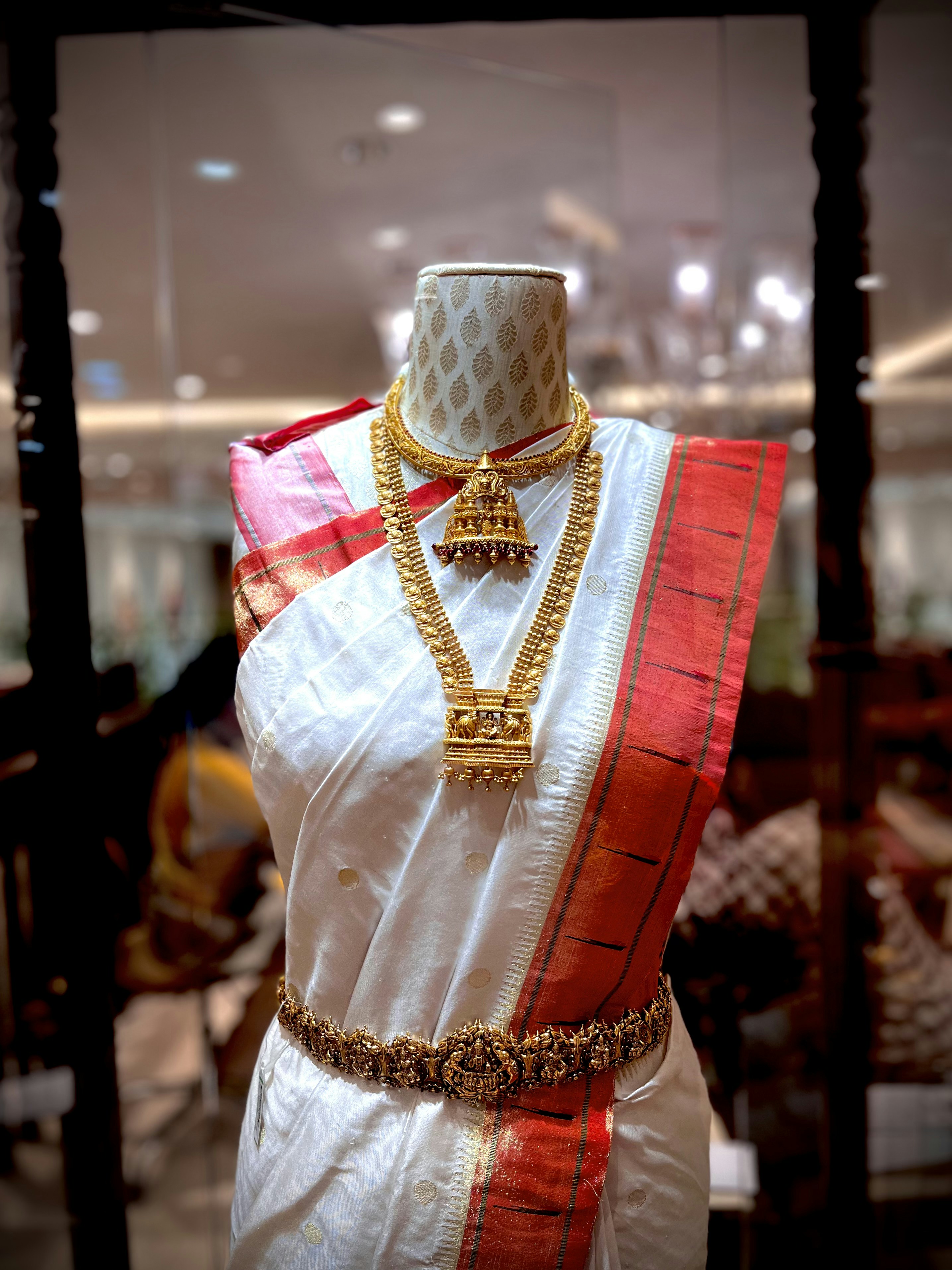
Kanchipuram, a city situated in the southern part of India, is synonymous with traditional cotton sarees, renowned for their elegance and artistic craftsmanship. Often referred to as the ‘silk city’, Kanchipuram takes pride in its luxurious sarees that are frequently chosen for weddings and festive occasions. The weaving tradition here dates back centuries and has evolved through generations, with local artisans dedicated to preserving the heritage of saree making.
The unique weaving methods employed by Kanchipuram weavers are integral to the region’s reputation. Using traditional handlooms, artisans skillfully weave intricate designs that embody a blend of cultural motifs and vibrant colors. Cotton sarees from Kanchipuram are distinguished by their rich textures and distinctive borders adorned with traditional patterns such as peacocks, flowers, and geometric designs. This remarkable craftsmanship not only adorns the wearer but also tells a story of tradition and artistry passed down through time.
The local weaver community plays a vital role in keeping the rich heritage of Kanchipuram sarees alive. Families of weavers often pass down their skills through generations, ensuring that the intricate techniques and designs remain unchanged. Such dedication to quality and tradition has helped Kanchipuram cotton sarees achieve not just local admiration but also international acclaim. Visitors to this vibrant city are encouraged to explore local weaving units and workshops to gain insight into the weaving process and appreciate the artisans’ skills firsthand.
When shopping for Kanchipuram sarees, it is essential to identify quality fabrics. Look for sarees that showcase genuine craftsmanship, with strong yet supple fabric and intricate designs. The best places to purchase these elegant sarees include reputable shops and local markets, where authenticity can be assured. Embracing a Kanchipuram saree not only adds charm to one’s wardrobe but also supports a cherished tradition that remains an essential part of India’s cultural tapestry.
Varanasi: A Blend of Artistry in Cotton Sarees
Varanasi, renowned for its rich cultural heritage and exquisite handloom silk sarees, also holds a distinguished place in the realm of cotton sarees. The cotton sarees produced in this ancient city are a testament to the artisans’ craftsmanship and the region’s rich weaving traditions. These sarees are often adorned with intricate motifs and patterns, reflecting the vibrant artistry that characterizes Varanasi’s textile industry.
The craftsmanship involved in creating cotton sarees in Varanasi is meticulous. Skilled weavers employ age-old techniques to produce fabrics that are both lightweight and durable. The designs are inspired by the rich cultural and religious motifs indigenous to the region, featuring elements from nature, geometric shapes, and traditional symbols that carry great significance. Cotton sarees from Varanasi have garnered recognition for their unique ability to seamlessly blend traditional design with contemporary trends, making them appealing to a broad audience.
The cultural significance of cotton sarees in Varanasi is profound. These textiles not only serve as daily attire for many local women but also play an essential role in traditional ceremonies, festivals, and marriages. When worn, they embody the cultural identity of the wearers, performing as a link to their heritage. As they are often gifted during auspicious occasions, cotton sarees become cherished heirlooms, passed down through generations.
For those eager to explore the exceptional cotton sarees of Varanasi, numerous markets and handloom shops provide a plethora of options. The bustling lanes of Varanasi are filled with weavers and artisans eager to share their craft. Modern influences have also begun to shape the traditional designs, leading to a revival in contemporary patterns and colors that attract a younger clientele. This blending of tradition and modernity ensures that Varanasi remains a prominent hub for those seeking exquisite cotton sarees.